On this page
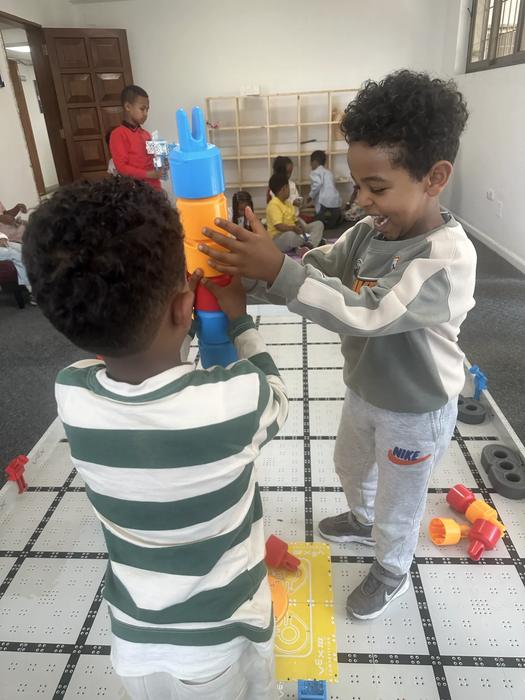
A parent once asked a teacher, half joking, "When do they start learning?" At that moment the children were building a bridge from blocks. They argued about how to stop it falling. They counted the pieces out loud.
They were already learning. They were also having fun, which is why play-based learning in preschool does not always look like school. This post explains what it is, what children gain and how to tell good teaching from a free-for-all.
What play-based learning means
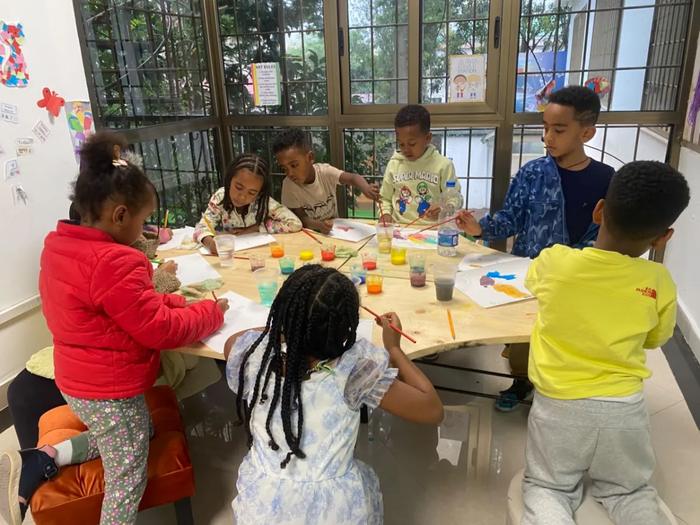
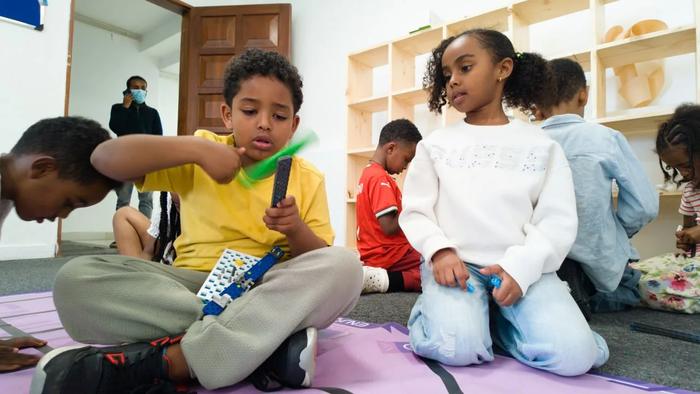
Play-based learning is a way of teaching where children learn through activities they enjoy and care about. The teacher plans the room, picks the materials, joins in and asks questions. Then she steps back when the child has it. The child leads some of the time. The adult leads some of the time.
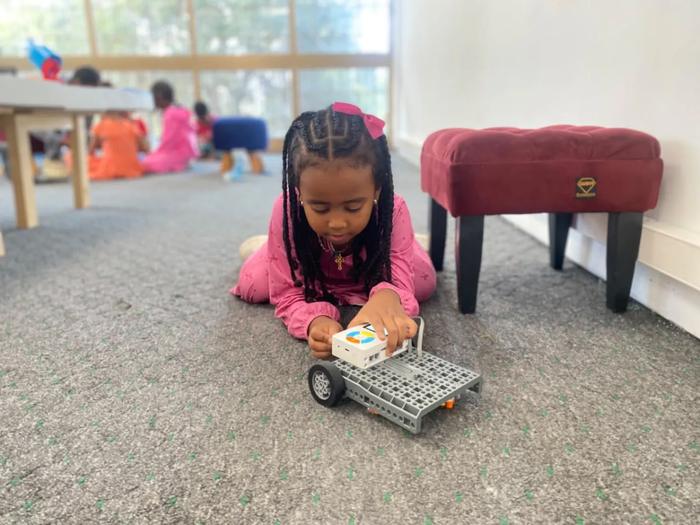
It does not mean "no teaching." It matches how young minds work. Small children think with their hands and bodies first. An idea sticks when it is tied to something real: a cup that holds more water, a block that balances, a friend who needs help.
What the research says
The Harvard Center on the Developing Child says early experiences shape how the brain is built. It adds that back-and-forth time with responsive adults lays the base for later learning. Play is full of that back-and-forth.
The World Health Organization points the same way. Its guidelines for children under five say young children should be active in play every day, and should spend little time sitting still in front of screens. For ages three and four, it asks for at least 180 minutes of physical activity of any intensity across the day.
We do not claim one study proves one classroom is better than another. Years of early-years research do agree on the basics. Young children learn best when they are active, interested, backed by warm adults and given time.
What children learn through play
Language and early reading
A child playing shop has to ask, answer, argue and tell a story. They use new words in real situations. A teacher joins in and adds words: "Would you like to weigh the tomatoes?" Rhymes, songs and stories train the ear for the sounds of language, and those sounds later turn into reading.
Addis Ababa is a many-language city, and play is a gentle way to meet a new language. A song in one language, a story in another, a game with words from both. Children pick up sounds with no pressure.
Number sense
Counting steps. Sharing out snacks. Sorting buttons by colour. Building a tower taller than a friend's. These tasks teach more, less, equal, bigger and smaller. Children feel what numbers mean before they write them. That feeling makes written maths make sense later.
Science thinking
Pour water into sand. Float a leaf. Plant a seed and check it each morning. Children make a guess, test it and watch what happens. A scientist does the same: ask, try, notice, change.
Focus and self-control
Pretend play asks children to hold a plan in mind. They follow rules they made up, wait for a turn and hold back impulses so the game can go on. Researchers call these skills executive function. They help a child listen in class, follow instructions and finish a task, and games help them grow.
Social and emotional skills
Playing with others is hard. Children must share, give a little, read faces and bounce back from disappointment. A teacher who coaches children through an argument is teaching one of the most useful lessons of the year.
Body skills
Climbing, running, jumping, drawing and threading beads build the big and small muscles children later use to sit, write and play sports. Movement also helps children focus. So outdoor play is part of learning. It is not a break from it.
What a teacher does in a play-based classroom
Many people think teachers sit back while children play. That is wrong. A good early-years teacher does a lot:
- Sets up the room with things that invite exploring: blocks, sand, paint, books, dress-up, natural objects.
- Plans activities around the curriculum goals, so play leads somewhere.
- Watches and writes notes on what each child can do and is ready to try.
- Joins in and asks questions: "What do you think will happen?" "How could we make it stronger?"
- Adds a challenge at the right moment: a new word, a harder puzzle, a new tool.
- Runs short group times for stories, songs and shared ideas.
A play-based classroom has structure too. Children know the rhythm of the day. They know where things go. They know the rules for being kind and safe. That structure is what lets children feel free to play.
How to spot good play-based teaching on a visit
Not every school that says "play" does it well. Here is what to look for.
Good signs
- Children are busy and absorbed, not just wandering.
- Adults are in the room, talking with children and asking questions.
- Materials are varied and look used: blocks, sand, paint, loose parts, books.
- You can see where reading, numbers and science fit into the day.
- Children spend time outdoors and move a lot.
- The teacher can tell you, child by child, what they are working on.
Warning signs
- Long stretches of sitting still, copying from the board or filling in worksheets.
- A room full of toys but no adult who joins in.
- Children waiting a long time with nothing to do.
- A teacher who cannot say what children learned from an activity.
"But will my child be ready for Year 2 (Grade 1)?"
This is the worry we hear most, especially from parents who went to schools where five-year-olds sat in rows. It deserves a straight answer.
Children in a good play-based program do learn to read, write and count. They learn through games, stories, building and real tasks. As they grow, KG adds more structured reading and number work. At Nucleus, KG is built for exactly this: deeper literacy and numeracy, growing confidence and the habits a child needs to start Year 2 (Grade 1) well.
A child who has learned to listen, wait, solve a problem and ask for help is ready for school. Letters and numbers come quickly to a child who wants to know them.
Five easy play ideas for home
- Cook together. Measuring, pouring, counting and tasting teach maths, science and language at once.
- Build with anything: cushions, boxes, cups, blocks. Ask, "How could we make it taller?"
- Go outside and collect leaves, stones and seeds. Sort them and talk about what you find.
- Tell stories in turns. You say one line, your child adds the next.
- Follow your child's lead for ten minutes a day. Put your phone away and play whatever they choose.
How we teach at Nucleus
We follow the international Cambridge curriculum for the early years, taught through play and real experiences. Children in Preschool and KG spend their days in small classes with trained, multilingual teachers. The teachers plan the play, join it and watch what children learn. Our programs page shows how the day is laid out. After KG, children can continue at our sister school, Nucleus International Schools.
Our new campus in Bisrate Gebriel has space to move, build and explore. To see play-based learning in a real classroom, visit the new campus on a school morning. When you are ready, register your child.
Related reading: Programs · Visit our new campus
Common questions
What is play-based learning?
It is a way of teaching where children learn language, early number and problem solving through planned, meaningful play. Teachers set up the activities, join in and guide, so play leads to learning goals.
Is play-based learning enough to prepare for primary school?
Yes, when it is well planned. Children build reading, number sense, focus and social skills through play. KG adds more structured reading and number work for a smooth start in Year 2 (Grade 1).
How much play does my child need each day?
The World Health Organization recommends plenty of active play every day for young children. For ages three and four, it asks for at least 180 minutes of physical activity of any intensity across the day.
How can I tell if a preschool is truly play-based?
Look for busy, absorbed children, adults who join in and ask questions, varied materials, daily outdoor time and a teacher who can explain what each child is learning. Long periods of sitting and worksheets are warning signs.